Apple’s iPhone Fold: Everything We Know About the Rumored Foldable iPhone Coming in 2026
Get the latest on Apple’s first foldable iPhone — rumored design, displays, release timeline, specs, and price. See how Apple may change the game with its entry into foldable smartphones.
AI & INNOVATION
12/27/20253 min read
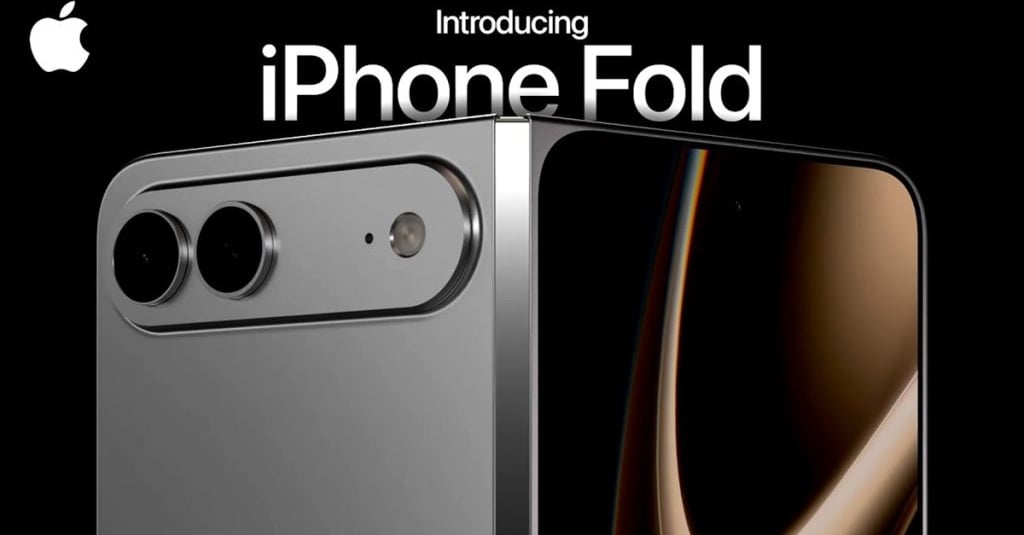
Foldable smartphones have become one of the most exciting trends in mobile tech — but Apple has stayed quietly in the background while Samsung, Google, Huawei, and others pushed flexible display devices forward. All that might finally change soon. Apple’s first foldable phone, unofficially known as the iPhone Fold, is now gaining momentum in the rumor mill with whispers of a 2026 debut, innovative engineering, and premium pricing that reflects Apple’s tradition of high-end devices.
In this blog, we’ll break down everything you currently need to know about the iPhone Fold — from design to display rumors, possible hardware features, pricing expectations, and what it could mean for the foldable phone market.
Release Timeline: When Might Apple Launch It?
After years of speculation and supply-chain hints, multiple sources now point toward a late 2026 release for Apple’s first foldable phone, potentially unveiled alongside the upcoming iPhone 18 Pro lineup in the fall.
Analyst Ming-Chi Kuo has specifically suggested a fall 2026 launch with an expected premium price tag — possibly around $2,000–$2,400 — positioning the device at the top of the foldable phone segment from day one.
This timing would allow Apple to observe how rivals refine foldable tech (especially Samsung’s latest designs) and ideally launch a product that stands out in quality and performance.
Design & Form Factor: Apple’s Take on Foldables
Current leaks and mockups consistently suggest a book-style foldable design — similar to what Samsung’s Galaxy Z Fold and Google’s Pixel Fold have championed — but with an Apple twist.
Here’s what to expect:
📱 Outer display: A compact screen around 5.3–5.5 inches for quick tasks like calls, messages, and notifications.
📖 Inner display: A tablet-like 7.7–7.8 inch flexible panel that unfolds for multitasking, media viewing, and productivity.
🔩 Crease-free ambitions: Apple is reportedly experimenting with a liquid-metal hinge and advanced flexible materials to minimize visible fold creases — potentially a major engineering differentiator if achievable.
Some rumors also suggest Apple may streamline the experience with eSIM-only connectivity to save internal space and reduce mechanical complexity.
While these images and design rumors are not official, they align with multiple recent leaks showing a foldable iPhone that looks sleek, premium, and very Apple-like in concept.
Display Technology: Bigger Screen, Better Multitasking
One of the biggest advantages foldable smartphones offer is a larger screen without sacrificing pocketability — and Apple’s approach seems to embrace this fully.
A 7.7-to-7.8-inch inner screen would give users a near-tablet experience for productivity, split-screen apps, and immersive media, while the smaller outer screen lets you handle everyday tasks without unfolding the device.
If Apple can also deliver a crease-minimized OLED panel, it could offer smoother visuals and better usability compared to many current foldables where a visible center crease is often noticeable.
Hardware & Software Expectations
Although precise specs remain unclear, the iPhone Fold is widely expected to feature Apple’s latest mobile silicon — likely an A-series or custom fold-optimized chip — alongside flagship-level performance. iOS will also reportedly adapt to support flexible screen layouts, improved multitasking, and contextual UI elements designed specifically for foldable hardware.
Rumors suggest typical premium phone specs like:
⚡ High-end camera system (possibly dual-camera setup)
💾 Up to 1 TB storage and 12 GB RAM
🔋 Battery optimized for larger screens and extended usage
However, one persistent challenge Apple might still be ironing out is how to fully eliminate the display crease — a task it reportedly continues to refine as production approaches.
Price Predictions & Market Position
Apple has traditionally positioned its hardware as premium products, and the iPhone Fold is no exception. Analysts estimate a starting price between $2,000 and $2,400 — putting it at the high end of the foldable market where devices like Samsung’s Galaxy Z Fold and Google’s Pixel Fold also compete.
Such pricing reflects not just Apple’s brand premium but the engineering costs of advanced hinges, flexible glass technology, and integration with iOS features that differentiate it from the competition. It also aligns with Apple’s strategy to keep foldable iPhones in the flagship category rather than mainstream budget tiers.
Why Apple’s Foldable Matters
Apple entering the foldable space is a watershed moment for the industry. Foldables have grown steadily in popularity, but without Apple’s influence — renowned for pushing adoption of new form factors like edge-to-edge displays and Face ID — they’ve remained somewhat niche.
If Apple successfully launches a foldable iPhone in 2026 with strong performance, a premium build, and seamless software integration, it could significantly boost mainstream interest — and potentially reshape how consumers think about phones versus tablets.
Final Thoughts: The Future of Foldables With Apple
The iPhone Fold might still be months away from launch, but the flood of rumors and leaks tells a clear story: Apple is finally ready to tackle foldable technology head-on. With a rumored late-2026 release, a book-style design, nearly crease-free display goals, and premium positioning, this could be one of the most anticipated smartphone debuts in years.
Whether you’re a loyal Apple fan or simply curious about foldable tech, 2026 might be the year this long-rumored device finally becomes real.